
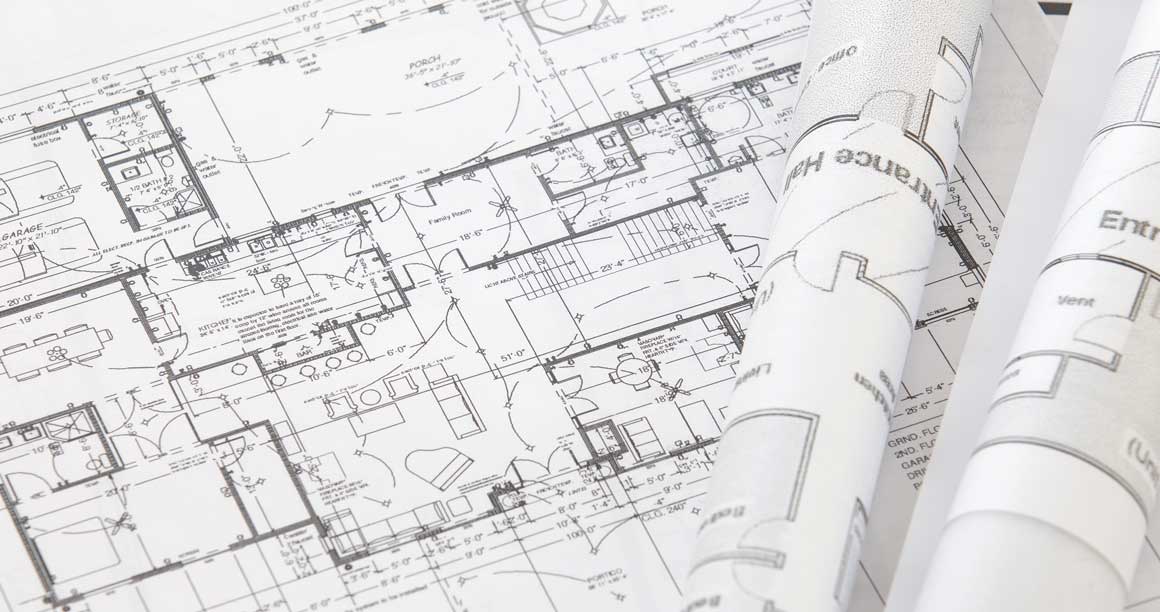
Architect-designed houses – everything you need to know
Do you dream of a home designed specifically for you, rather than choosing one from a catalogue? A prefabricated house is based on a pre-designed model, with only limited opportunities for customization. An architect-designed home, on the other hand, is created from scratch, with your lifestyle, preferences and vision at the heart of the design.
Your architect takes the time to understand your needs, how you live and the characteristics of your building plot. Every aspect of the design is tailored to make the most of the site while creating a home that fits your daily life.
The result is a truly unique home. An architect-designed house makes the best possible use of the plot, natural light and surrounding views in ways that standard house models often cannot. You also have complete freedom to shape the layout, choose materials, decide on window placement and refine every detail to match your preferences.
Although an architect-designed home typically costs more than a prefabricated house, many homeowners see it as a worthwhile long-term investment. You gain a home that is better suited to your lifestyle, while its unique design and quality often help it retain its value over time.
Architect-designed house or prefab – which should you choose?
The choice between an architect-designed home and a prefabricated house depends on what matters most to you. A prefab is often the more affordable option and can usually be built more quickly, while an architect-designed home offers complete freedom to create a house that reflects your needs, lifestyle and personal taste.
| Prefabricated house | Architect-designed house | |
|---|---|---|
| Price | More affordable | Typically more expensive |
| Time | Faster to build, as the design is already completed | Takes longer due to the design and planning process |
| Customization | Limited customization within the available house models | Complete freedom over the design and layout |
| Plot | Best suited to simple, level plots | Can be tailored to challenging or unusual building sites |
| Unique character | Built from standard designs used for multiple homes | A one-of-a-kind home designed specifically for you |
A prefabricated house can be an excellent choice if you’re working with a limited budget and have a straightforward building plot. However, if you’re building on a more challenging site or want a home that’s designed around your lifestyle and preferences, an architect-designed house is often the better long-term investment.
How much does it cost to get an architect to design a house?
The cost of hiring an architect to design a house depends on the scope of the project. A simple concept sketch costs considerably less than a complete set of construction drawings, planning application documents and ongoing support throughout the building process. Most architects charge by the hour, with rates typically ranging from NOK 800 to NOK 1,700. The total cost depends on the amount of time required to complete the project.
As a general guide, you can expect the following price ranges:
- Concept sketch and floor plan:
NOK 40,000–80,000 - Drawings for the planning application:
NOK 70,000–150,000 - Complete construction drawings:
NOK 100,000–300,000
If you want the architect to manage the entire design process, from the initial concept to a completed planning application for a new detached house, the total fee will typically range from NOK 250,000 to NOK 800,000, depending on the size of the house, the complexity of the design and the amount of work involved.
If the architect is also responsible for project management and provides ongoing support throughout construction, the fee is often calculated as a percentage of the total building cost rather than as an hourly rate. This typically ranges from 8% to 15% of the construction cost.
Before you get started, it’s a good idea to ask for a detailed quotation that clearly explains what services are included. This makes it easier to compare offers and ensures you know exactly what you’re paying for.
Get a quote from an architect
Get a quick response from an quality-assured architect suitable for your needs.
What affects the price of designing a house?
As the price examples above show, the cost of designing a house can vary significantly. The final fee depends largely on the amount of time the architect needs to spend on your project. Several factors influence the total cost:
Size and complexity
A large home with multiple floors, unusual shapes or bespoke design features requires more planning and detailed drawings than a simple, rectangular house. More complex projects naturally take longer to complete.Scope of the architect’s services
Do you only need concept sketches, or do you want the architect to prepare the planning application, construction drawings and provide support throughout the building process? The more services you require, the higher the overall cost.The building plot
Designing a house for a flat, straightforward site is usually simpler than designing for a steep, narrow or irregular plot. Challenging site conditions often require additional planning and technical solutions.Materials and bespoke features
Special materials, custom details and unique architectural elements often require additional drawings and technical documentation, increasing the time needed to complete the design.How well prepared you are
Having a clear idea of your requirements helps the design process move more efficiently. If your ideas are still evolving, the architect will naturally spend more time developing solutions together with you.Design changes
Changes made after the design work has begun usually increase the cost. The later changes are introduced, the more time is required to update drawings and documentation.
One of the easiest ways to keep design costs under control is to prepare thoroughly before meeting your architect. Collect photos of homes you like, make a list of your priorities and think carefully about how you want your home to function. The clearer your vision is from the outset, the more efficiently the architect can turn your ideas into a finished design.
How long does it take to build an architect-designed house?
Building an architect-designed home generally takes longer than building a prefabricated house, as every aspect of the design must be created from scratch before construction can begin. The overall timeline depends on the size and complexity of the project, but the following estimates provide a useful guide:
- Design and planning:
The initial design process, including concept sketches, detailed drawings and preparation of the planning application, typically takes four to six months. This timeframe also includes the architect’s work leading up to the application being submitted.. - Planning approval:
Once the application has been submitted, the local authority will review it. This process usually takes two to three months, although it can take longer if additional information is required or objections are raised during the approval process. - Construction:
Once building work begins, construction typically takes eight to twelve months, depending on the size of the house and the complexity of the project.
From your first meeting with the architect to moving into your new home, you should generally expect the entire process to take around 18 to 24 months. While this may seem like a long time, much of it is spent on careful planning and design. That preparation helps ensure the finished home is tailored to your lifestyle, your plot and your long-term needs.
A good way to avoid unnecessary delays is to start planning early and allow some flexibility in your schedule. Delivery times for special materials can sometimes be longer than expected, and unforeseen challenges are common in most construction projects. Building in a little extra time from the outset can help make the entire process smoother and less stressful.
Get a quote from an architect
Get a quick response from an quality-assured architect suitable for your needs.
How does an architect work?
Designing a house is a step-by-step process that begins with your ideas and ends with detailed construction drawings ready for the builder. While every project is different, most architects follow a similar process.
1. Initial consultation and site visit
The first step is to meet with you to discuss your ideas, lifestyle, budget and expectations for your new home. You’ll also talk about architectural style, the number of rooms, practical requirements and any special features you’d like to include.
The architect will normally visit the building site to assess its opportunities and constraints. Factors such as the slope of the land, sunlight, views, access and surrounding buildings all influence the design.
2. Research and concept design
Before the design work begins, the architect gathers information about local planning regulations, building restrictions and any other requirements that may affect the project.
Using this information, together with your wishes and the characteristics of the site, the architect develops one or more concept designs. These are usually presented as sketches or simple 3D models that illustrate the overall layout and appearance of the house.
3. Design development
Once a concept has been selected, the architect develops it into a detailed design. This stage includes floor plans, elevations, room layouts and the overall appearance of the house.
Throughout the process, you’ll have the opportunity to review the design and provide feedback. Adjustments are made until you’re satisfied with the final proposal.
4. Technical drawings and planning documents
After the design has been approved, the architect prepares detailed technical drawings for construction. These include dimensions, material specifications and structural details needed by builders and engineers.
The architect also prepares the documentation required for the planning application and any other approvals needed before construction can begin.
5. Support during construction
Many architects continue to be involved after construction starts. They may visit the site regularly, answer technical questions from the contractor and help ensure the project is built according to the approved design and required quality standards.
Some architects also offer full project management services, overseeing the construction process from start to finish.
6. Final inspections
Towards the end of the project, the architect may carry out inspections to ensure the finished home matches the approved drawings and design. Any issues that arise can be identified and addressed before the project is completed.
Good communication is essential throughout the entire process. The clearer you are about your needs and expectations from the beginning, the easier it is for the architect to create a home that suits both your lifestyle and your vision.
Get a quote from an architect
Get a quick response from an quality-assured architect suitable for your needs.
Who owns the drawings of the house?
Even if you have paid for the architectural drawings, the architect generally retains the copyright. While you have the right to use the drawings to build the house they were created for, you cannot normally modify, sell or reuse them for another project without the architect’s permission.
This is because copyright protects the architect’s original design in much the same way it protects an artist’s or author’s work. It prevents the drawings from being copied or reused without consent, for example to construct the same house on a different plot.
If you would like greater freedom to alter or reuse the drawings in the future, this can often be agreed in advance. For example, your agreement with the architect may give you the right to make design changes, adapt the drawings or use them for an additional project, depending on the terms you both accept.
It’s always a good idea to discuss ownership and usage rights before the project begins. A clear written agreement helps both parties understand exactly how the drawings may be used and reduces the risk of misunderstandings or disputes later on.
What’s important to consider when having a house designed?
Careful planning is the foundation of a successful house design. Taking the time to think through the most important decisions before the project begins can help you avoid unnecessary costs and make the entire process run more smoothly. Here are some of the key things to consider:
Set a realistic budget
Include a contingency fund for unexpected costs, so you’re prepared if changes or unforeseen expenses arise during the project.Choose the right architect
Look for an architect whose design style, experience and previous projects match the type of home you want to build.Be clear about your needs
Share your ideas, lifestyle, future plans and budget from the outset. The more information your architect has, the easier it is to develop a design that meets your expectations.Make the most of your plot
Consider how the house will be positioned to maximise natural light, views, privacy and outdoor living space.Plan for the future
Your home should work well not only today but also for years to come. Think about how your needs may change over time, such as a growing family, working from home or ageing in place.Prioritise sustainability
Energy-efficient design, durable materials and environmentally friendly solutions may increase the initial cost, but they often reduce running costs and improve long-term value.
Some projects require additional planning depending on the type of house or the characteristics of the building site. Below are three common situations and the most important factors to consider in each case.
Architect-designed modernist (functionalist) home
A modernist, or functionalist home is characterised by clean lines, flat roofs and large areas of glazing. This style creates bright, open living spaces and a strong connection between the indoors and outdoors, but it also requires careful planning.
Flat roofs must be properly designed to cope with rain, snow and effective drainage, while large windows require high-performance insulation and well-planned shading to keep the home comfortable throughout the year. An architect with experience in modernist design can balance aesthetics with practical solutions to achieve both energy efficiency and long-term durability.
Single-storey architect-designed home
A single-storey home is practical, accessible and easy to live in, making it an excellent choice if you’re planning to stay in the property for many years. With no stairs to navigate, it can also be easier to adapt as your needs change over time.
Because all rooms are located on one level, however, a larger building footprint is usually required. This makes the size and shape of the plot particularly important. Careful planning of the layout helps maximise natural light, minimise unnecessary corridors and create a home that feels open and easy to move through.
Architect-designed home on a sloping site
A sloping site is often viewed as a challenge, but it can also create unique design opportunities. Changes in level can be used to incorporate features such as a walk-out basement, split-level living areas and elevated views that would not be possible on a flat site.
Designing for a sloping plot usually requires more planning, detailed engineering and additional groundworks, all of which can increase construction costs. An experienced architect will design the house to work with the natural landscape, making the most of the site’s characteristics rather than trying to reshape the terrain to fit a standard design.
Frequently asked questions about architect-designed houses
Get a quote from an architect
Get a quick response from an quality-assured architect suitable for your needs.